3-2-1 Ribs Method: Complete Timing Guide
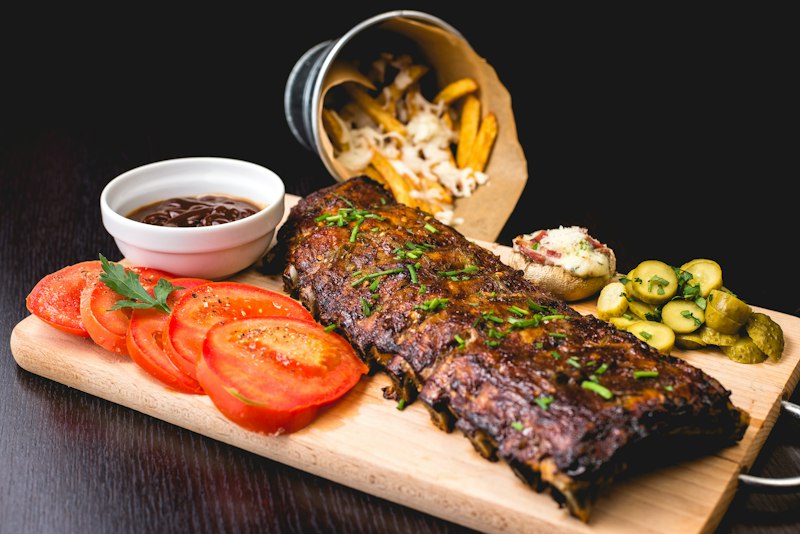
The 3-2-1 method is the most popular framework for smoking ribs, and for good reason: it produces consistently tender, flavorful ribs with a beautiful glaze. The method divides the cook into three distinct phases, each serving a specific purpose in building the final product.
Phase 1: Smoke (3 hours) Place seasoned rib racks bone-side down directly on the smoker grate at 225F. During this phase, the smoke ring develops, the rub sets into bark, and the meat absorbs maximum smoke flavor. Do not open the smoker unnecessarily. Optionally spritz with apple juice every 45 minutes after the first 90 minutes.
Phase 2: Wrap (2 hours) Remove the racks and wrap tightly in heavy-duty aluminum foil or butcher paper. Before sealing, add a splash of liquid: apple juice, beer, or a mixture of butter and brown sugar. The wrap creates a braising environment that tenderizes the meat and pushes through any temperature plateau. Return to the smoker at the same temperature.
Phase 3: Sauce (1 hour) Unwrap the ribs and place them back on the grate. Apply your BBQ sauce in thin layers, building up a sticky glaze. The heat sets the sauce and firms up the exterior. Check for doneness using the bend test: pick up the rack with tongs at the center, and it should bend and crack on top.
Important note: the 3-2-1 method was developed for spare ribs. Baby back ribs are smaller and leaner, so they benefit from a 2-2-1 approach to avoid becoming too soft.
How to Use This Guide
This page provides detailed reference information alongside our interactive calculators. For quick estimates, use the tables above. For precise calculations based on your specific setup, visit the linked calculators below. Bookmark this page for quick reference at the smoker during your next cook.
When to Reference This Page
This guide is most useful during the planning stage of your cook, when you are deciding on timing, quantities, or technique. Keep it bookmarked on your phone for quick access while tending your smoker. The information here is based on industry standards and real-world pitmaster experience.