Brisket Stall Temperature Explained
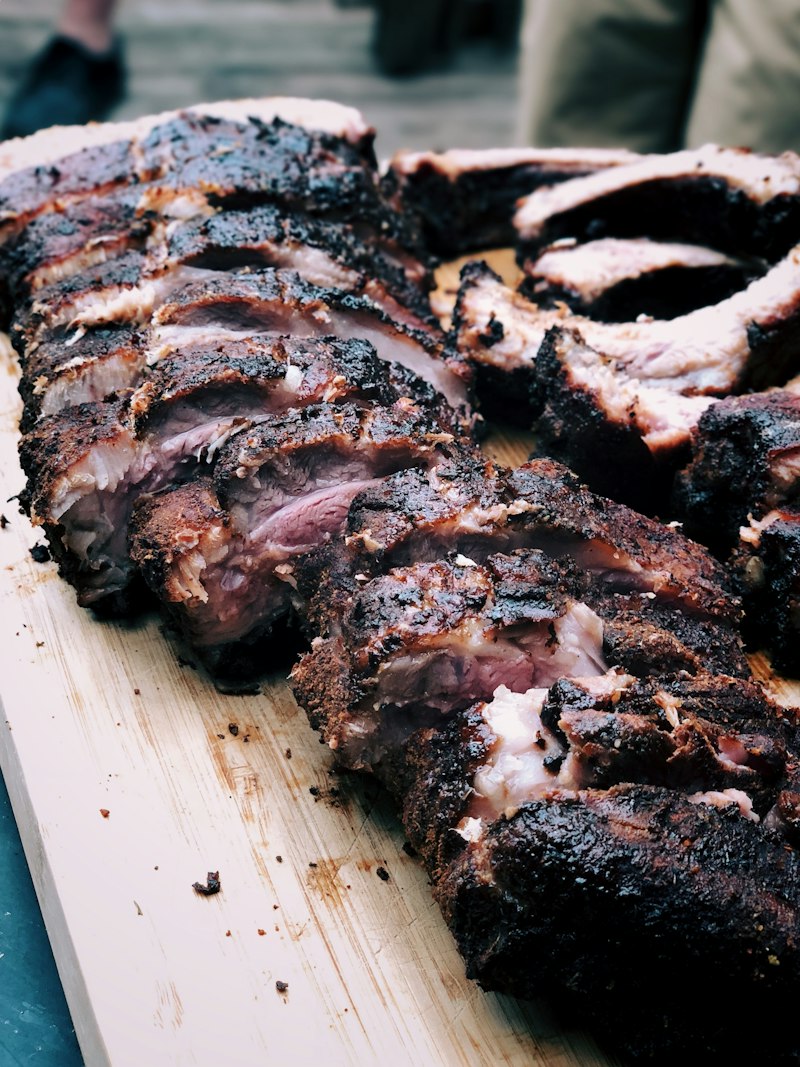
The brisket stall is one of the most frustrating and misunderstood phenomena in barbecue. You have been smoking for 4-5 hours, the internal temperature has been climbing steadily, and suddenly it just stops. The thermometer reads 155F. An hour later: still 155F. Two hours later: 157F. Your perfectly planned timeline is falling apart.
The stall is caused by evaporative cooling. As the brisket cooks, moisture from inside the meat migrates to the surface and evaporates. This evaporation cools the surface at the same rate the smoker heats it, creating a temperature equilibrium that can last 2-6 hours. The effect is identical to sweating: your body cools itself by evaporating moisture from your skin.
The stall typically begins around 150F and can last until 170F or higher. Larger, wetter briskets stall longer. Dry-aged or trimmed briskets may have a shorter stall. The stall is most pronounced at lower smoker temperatures (225F) and less significant at higher temperatures (300F+) because the incoming heat eventually overwhelms the evaporative cooling.
There are three strategies for dealing with the stall: wait it out (patience), wrap the brisket (the Texas Crutch), or increase the smoker temperature. Most pitmasters choose to wrap in butcher paper at 165F, which traps moisture and breaks the evaporation cycle while still allowing some bark development. Wrapping in aluminum foil is faster but can soften the bark.
How to Use This Guide
This page provides detailed reference information alongside our interactive calculators. For quick estimates, use the tables above. For precise calculations based on your specific setup, visit the linked calculators below. Bookmark this page for quick reference at the smoker during your next cook.
When to Reference This Page
This guide is most useful during the planning stage of your cook, when you are deciding on timing, quantities, or technique. Keep it bookmarked on your phone for quick access while tending your smoker. The information here is based on industry standards and real-world pitmaster experience.