Internal Temperature Chart for Smoked Meats
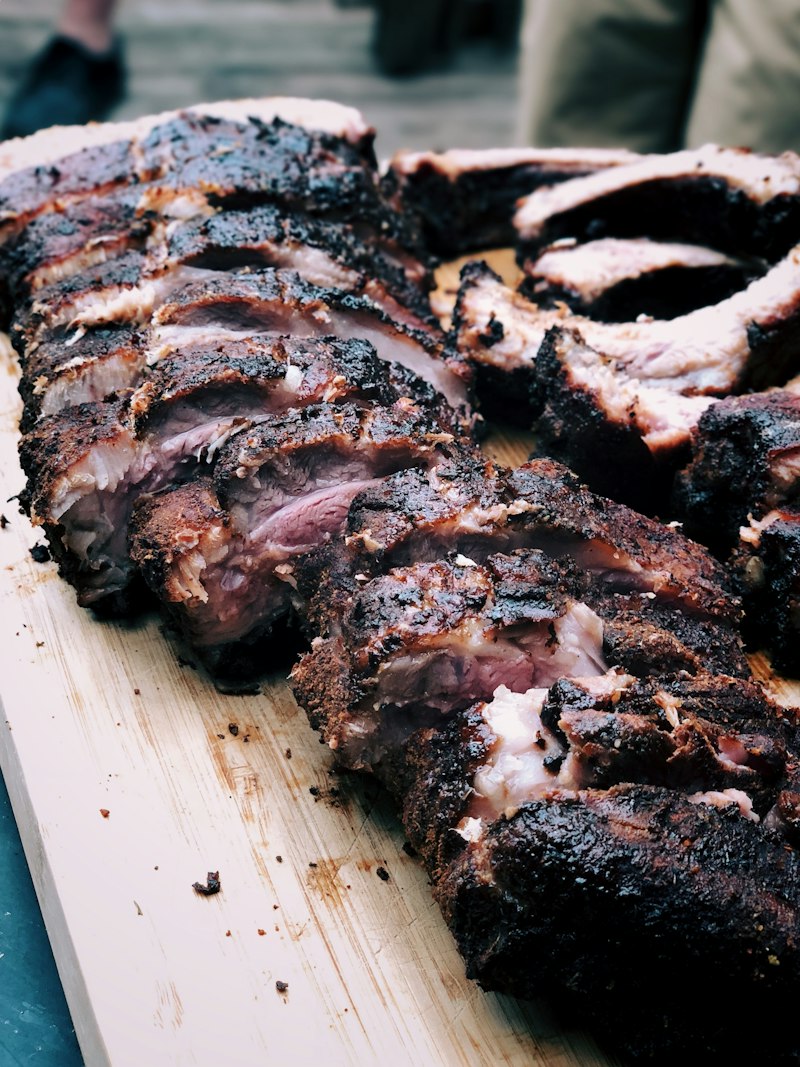
Knowing the right internal temperature is the difference between a perfectly tender brisket and an expensive piece of shoe leather. This chart shows both the USDA minimum safe temperature and the pitmaster recommended target for every common smoked cut. The USDA minimum kills harmful bacteria and makes the meat safe to eat, but tough BBQ cuts need much higher temperatures to break down collagen into gelatin and become tender. Use a reliable instant-read thermometer and check multiple spots in the meat for the most accurate reading.
Bookmark this page. It is the single most useful reference for any pitmaster, from first-timers to competition veterans.
Brisket (Packer)
Probe tender, slides like butter
Pork Butt (Pulled Pork)
Pulls apart easily with forks
Baby Back Ribs
Bend test, bark cracks
Spare Ribs
Bend test, meat pulls from bone
Whole Chicken (Breast)
Juices run clear
Whole Chicken (Thigh)
Tender, no pink at bone
Turkey (Breast)
Juices run clear
Turkey (Thigh)
Tender, no resistance
Pork Belly
Fat fully rendered, tender
Beef Short Ribs
Probe tender between bones
How to Use This Chart
Find your cut of meat in the list above. Note both temperatures: the USDA minimum is the lowest safe temperature, and the pitmaster target is where the meat reaches optimal tenderness for that particular cut. Insert your thermometer probe into the thickest part of the meat, avoiding bones, fat pockets, and the surface. Take readings in multiple locations and use the lowest reading as your current temperature. For brisket, the probe tenderness test is more important than any specific number. When the probe slides in with no resistance, the brisket is done regardless of the exact temperature.
When to Reference This Chart
Check this chart every time you are approaching the end of a cook, especially with cuts you do not smoke regularly. It is also valuable for food safety verification when serving to guests who are concerned about doneness. Keep it bookmarked on your phone for quick reference at the smoker. The chart is especially useful for multi-cut cooks where different meats have different target temperatures.